
WATERPROOFING AND WATER INFILTRATION: COMMON DISPUTES IN CONSTRUCTION LAW
Lance Luke
11/21/20252 min read
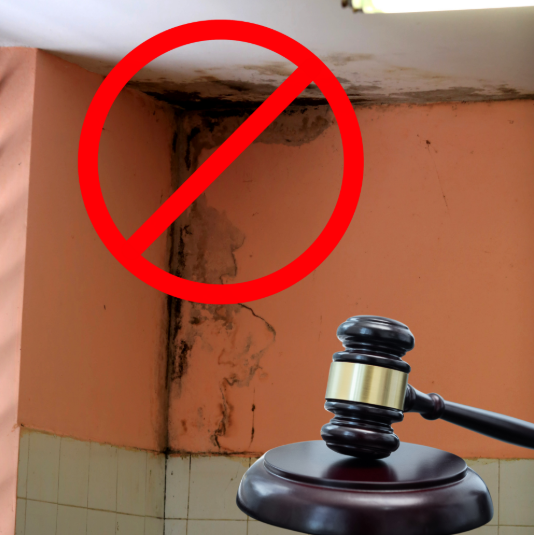
Waterproofing is a critical aspect of construction, protecting buildings from water damage and ensuring their longevity. However, it can also be a source of disputes and litigation in the construction industry. In this article, we'll explore the common disputes related to waterproofing and water infiltration in construction, their causes, and how to address and prevent them effectively.
1. Inadequate Waterproofing:
One of the most frequent sources of disputes is inadequate waterproofing. This occurs when the waterproofing materials or techniques used in construction fail to provide sufficient protection against water infiltration. Inadequate waterproofing can lead to costly damage, such as leaks, mold growth, and structural issues.
2. Design Flaws:
Disputes can arise when waterproofing issues are traced back to design flaws. If the building's design does not properly account for water drainage or includes inadequate waterproofing details, it can result in water infiltration problems. Addressing design issues may require design revisions and coordination with architects and engineers.
3. Poor Workmanship:
Waterproofing requires careful installation and attention to detail. Disputes may arise when contractors or subcontractors perform substandard work, leading to waterproofing failures. Proper training and oversight are essential to ensure that waterproofing is executed correctly.
4. Material Defects:
Defective waterproofing materials can be a source of disputes. If the materials used do not meet quality standards or if there are manufacturing defects, they may fail to provide the expected waterproofing protection. Identifying and replacing faulty materials can be a costly process and a point of contention between parties involved.
5. Warranty Claims:
When water infiltration issues occur shortly after construction, warranty claims may be filed against contractors, subcontractors, or material suppliers. The dispute may revolve around whether the issues are covered by warranties and who bears the responsibility for repairs.
6. Delays and Additional Costs:
Water infiltration problems can lead to project delays and additional costs for repairs and remediation. Disputes may arise over who is responsible for covering these expenses and whether they result from unforeseen circumstances or negligence.
7. Mold and Health Concerns:
Water infiltration can lead to mold growth, posing health risks to occupants. Disputes may involve health-related claims, especially in cases where mold exposure has resulted in illnesses. Addressing mold issues may require extensive remediation and legal negotiations.
8. Legal Liability:
Determining legal liability in waterproofing disputes can be complex, involving multiple parties such as property owners, contractors, subcontractors, architects, and engineers. Resolving disputes often requires a thorough investigation to pinpoint the responsible party or parties.
Prevention and Resolution:
To prevent and address waterproofing disputes effectively, parties involved in construction projects should prioritize proper planning, clear communication, regular inspections, and adherence to industry standards and best practices. Contracts should include waterproofing specifications, warranty terms, and dispute resolution mechanisms to streamline the resolution process if disputes arise.
© 2026 | Lance Luke | Expert Witness