
UNDERSTANDING THE ROLE OF ROOFING IN CONSTRUCTION DISPUTES
Lance LUke
6/26/20252 min read
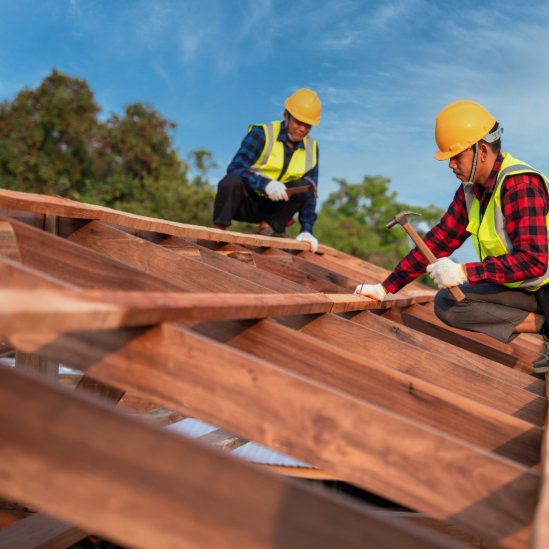
Roofing is a critical component of any building, serving as the first line of defense against the elements. However, it is also an area where construction disputes can arise. In this article, we will explore the role of roofing in construction disputes, the common issues that lead to conflicts, and how to prevent and resolve them effectively.
1. Quality of Materials:
One of the primary factors that can lead to roofing-related construction disputes is the quality of materials used. If subpar or unsuitable materials are used during the roofing installation, it can result in premature roof failure and leaks. Determining the quality and suitability of materials should be clearly outlined in the construction contract to avoid disputes.
2. Workmanship and Installation Errors:
Roofing disputes often stem from workmanship and installation issues. If the roofing contractor does not follow industry standards and best practices, it can lead to leaks, poor insulation, or even structural damage. Ensuring that the roofing contractor is experienced and qualified is crucial to preventing such disputes.
3. Delays and Timelines:
Roofing projects are subject to weather conditions and other unforeseen challenges that can cause delays. Construction disputes can arise when timelines are not met, and delays result in financial losses or inconvenience for property owners. Including clear deadlines and contingency plans in the construction contract can help mitigate these issues.
4. Cost Overruns:
Roofing projects may encounter unexpected expenses due to hidden structural issues, changes in design, or other unforeseen circumstances. Disputes can arise when property owners and contractors disagree on who should bear these additional costs. Careful budgeting and detailed cost estimates can help prevent such disputes.
5. Warranty and Repairs:
Roofing contractors typically offer warranties for their work. Disputes can arise if issues covered by the warranty are not addressed promptly or if there is a disagreement about whether the issue is covered. Clearly defining warranty terms in the contract and addressing repair procedures can help prevent disputes.
6. Code Compliance and Permits:
Roofing projects must comply with local building codes and permit requirements. Failure to do so can lead to disputes, fines, and forced alterations to the roofing system. Ensuring that the contractor is knowledgeable about local regulations and obtains the necessary permits is essential.
7. Communication and Documentation:
Effective communication and documentation are key to preventing and resolving roofing-related construction disputes. Maintain a clear and open line of communication with your roofing contractor, and document all agreements, changes, and correspondence in writing.
8. Mediation and Arbitration:
In the event of a roofing-related construction dispute, consider alternative dispute resolution methods like mediation or arbitration. These methods can help parties reach a resolution without the need for costly and time-consuming litigation.
Roofing is a crucial aspect of construction, and disputes related to roofing projects can be complex and costly. However, with careful planning, clear communication, and adherence to industry standards and regulations, many roofing-related construction disputes can be prevented. When issues do arise, addressing them promptly and professionally through mediation or arbitration can help resolve conflicts more efficiently and cost-effectively, benefiting all parties involved in the construction process.
© 2026 | Lance Luke | Expert Witness