
UNDERSTANDING THE LEGAL IMPLICATIONS OF SOIL STABILIZATION TECHNIQUES IN CONSTRUCTION
Lance Luke
5/26/20264 min read
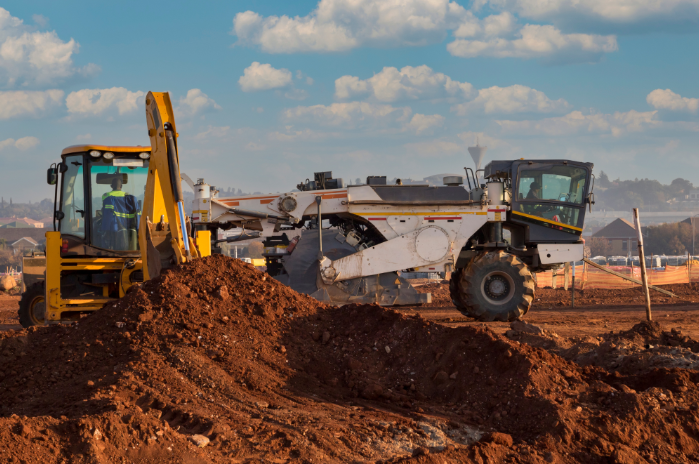
Soil stabilization is a critical step in the construction process, enhancing the physical properties of soil to meet the stringent demands of modern construction projects. However, the application of soil stabilization techniques carries with it a series of legal implications that construction professionals must navigate to ensure project compliance and mitigate risk. This article delves into the complexities of legal considerations surrounding soil stabilization in construction, providing a comprehensive overview for industry professionals.
The Legal Landscape of Soil Stabilization
Regulatory Compliance:
Soil stabilization projects must adhere to a plethora of environmental and construction regulations. These regulations are often jurisdiction-specific, varying widely from one region to another. Compliance with the Clean Water Act, Environmental Protection Agency (EPA) guidelines, and local environmental protection standards is crucial. Failure to comply can result in hefty fines, project delays, and in severe cases, project shutdown.
Contractual Obligations:
Construction contracts typically delineate the responsibilities associated with soil stabilization. These contracts can specify the techniques to be used, the materials involved, and the standards to be met. Disputes often arise from misunderstandings or failures to meet these contractual obligations, emphasizing the need for clear, precise contractual language.
Liability and Risk Management:
Soil stabilization techniques, especially those involving chemical additives, can pose environmental and health risks. If these risks materialize, liability can fall on contractors, engineers, or even property owners. Understanding who bears the liability for potential environmental damage or health issues is crucial for risk management. Insurance coverage, including pollution liability and professional indemnity insurance, plays a vital role in mitigating these risks.
Navigating Soil Stabilization Legalities
Due Diligence:
Conducting thorough due diligence before commencing soil stabilization efforts is paramount. This includes soil testing, environmental impact assessments, and obtaining all necessary permits. Due diligence helps in identifying potential legal hurdles early in the project lifecycle, allowing for timely mitigation strategies.
Expert Consultation:
Consulting with legal experts specializing in construction and environmental law can provide valuable insights into the regulatory requirements and potential legal pitfalls of soil stabilization. Similarly, engaging environmental consultants can aid in designing soil stabilization strategies that minimize environmental impact and comply with legal standards.
Stakeholder Communication:
Effective communication among all stakeholders, including contractors, property owners, legal advisors, and regulatory bodies, is essential for navigating the legal complexities of soil stabilization. Transparent communication ensures that all parties are aware of their responsibilities, the project’s legal requirements, and any potential issues that may arise.
The legal implications of soil stabilization in construction are multifaceted, encompassing regulatory compliance, contractual obligations, and liability issues. Navigating these legal waters requires a proactive approach, including thorough due diligence, expert consultation, and effective stakeholder communication. By understanding and addressing these legal considerations, construction professionals can execute soil stabilization projects successfully, minimizing legal risks while contributing to the project's overall success.
Soil stabilization is a critical step in the construction process, enhancing the physical properties of soil to meet the stringent demands of modern construction projects. However, the application of soil stabilization techniques carries with it a series of legal implications that construction professionals must navigate to ensure project compliance and mitigate risk. This article delves into the complexities of legal considerations surrounding soil stabilization in construction, providing a comprehensive overview for industry professionals.
The Legal Landscape of Soil Stabilization
Regulatory Compliance:
Soil stabilization projects must adhere to a plethora of environmental and construction regulations. These regulations are often jurisdiction-specific, varying widely from one region to another. Compliance with the Clean Water Act, Environmental Protection Agency (EPA) guidelines, and local environmental protection standards is crucial. Failure to comply can result in hefty fines, project delays, and in severe cases, project shutdown.
Contractual Obligations:
Construction contracts typically delineate the responsibilities associated with soil stabilization. These contracts can specify the techniques to be used, the materials involved, and the standards to be met. Disputes often arise from misunderstandings or failures to meet these contractual obligations, emphasizing the need for clear, precise contractual language.
Liability and Risk Management:
Soil stabilization techniques, especially those involving chemical additives, can pose environmental and health risks. If these risks materialize, liability can fall on contractors, engineers, or even property owners. Understanding who bears the liability for potential environmental damage or health issues is crucial for risk management. Insurance coverage, including pollution liability and professional indemnity insurance, plays a vital role in mitigating these risks.
Navigating Soil Stabilization Legalities
Due Diligence:
Conducting thorough due diligence before commencing soil stabilization efforts is paramount. This includes soil testing, environmental impact assessments, and obtaining all necessary permits. Due diligence helps in identifying potential legal hurdles early in the project lifecycle, allowing for timely mitigation strategies.
Expert Consultation:
Consulting with legal experts specializing in construction and environmental law can provide valuable insights into the regulatory requirements and potential legal pitfalls of soil stabilization. Similarly, engaging environmental consultants can aid in designing soil stabilization strategies that minimize environmental impact and comply with legal standards.
Stakeholder Communication:
Effective communication among all stakeholders, including contractors, property owners, legal advisors, and regulatory bodies, is essential for navigating the legal complexities of soil stabilization. Transparent communication ensures that all parties are aware of their responsibilities, the project’s legal requirements, and any potential issues that may arise.
The legal implications of soil stabilization in construction are multifaceted, encompassing regulatory compliance, contractual obligations, and liability issues. Navigating these legal waters requires a proactive approach, including thorough due diligence, expert consultation, and effective stakeholder communication. By understanding and addressing these legal considerations, construction professionals can execute soil stabilization projects successfully, minimizing legal risks while contributing to the project's overall success.