
The Turning Point: Understanding the Critical Difference Between Claims and Disputes
In the world of construction, people often use the terms "claim" and "dispute" interchangeably, but they represent two very different stages of a project's health....
Lance Luke
5/28/20262 min read
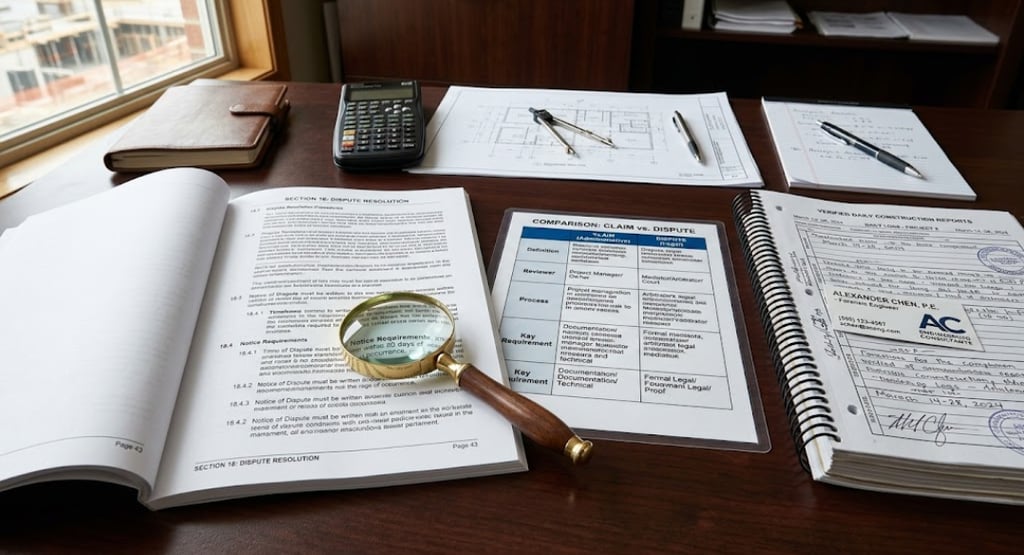
In the world of construction, people often use the terms "claim" and "dispute" interchangeably, but they represent two very different stages of a project's health. Think of a claim as a symptom—an issue that arises relating to performance, extra work, or a mistake. Think of a dispute as a full-blown infection.
If claims are not addressed professionally when they are first asserted, they quickly devolve into disputes that are costly, adversarial, and project-threatening. To "Nail It," you must know how to keep a claim from crossing that line.
The Claim vs. The Dispute
The Claim: A formal demand or request for something due, such as an adjustment in contract price or an extension of time. At this stage, the parties are still communicating under the framework of the contract.
The Dispute: This occurs when a claim is denied or ignored, and the parties reach an impasse. Once a claim becomes a dispute, the project often shifts from the field to the boardroom or the courtroom, requiring formal resolution procedures.
Common Triggers for Claims
Understanding these common issues helps you identify when a claim is being born:
Defective Workmanship: Work that doesn't meet the required standards or building codes.
Project Delays: Completion dates pushed back by permits, weather, or site access issues.
Deficient Materials: Using products that are inappropriate for the purpose or lower quality than specified.
Non-Payment: Failure to pay invoices on time, which is the fastest way to trigger a legal battle.
Design Flaws: Claims that the initial blueprints were inadequate, leading to "fairy tale" answers during construction.
Typical Causes of Disputed Claims
Disputes rarely happen because of one single event; they are usually the result of mismanagement or a lack of clarity. Typical causes include:
Inadequate project planning or bid information.
Poor communication between project teams and subcontractors.
"No-show" subcontractors or no-damage-for-delay clauses.
Misunderstanding of contract intentions and terms.
Differing geological conditions not revealed in the initial site report.
Why Professional Guidance is Key
Construction contracts are dense, legally binding documents. While I provide the technical and forensic expertise to identify why a project is failing, navigating the resolution of a formal dispute requires a specific set of tools.
It is highly recommended to consult with a qualified professional who specializes in construction law to ensure your rights are protected. A legal expert can assist by:
Reviewing the contract to ensure your interests are represented.
Evaluating the difference between a claim and a dispute in your specific situation.
Representing you during arbitration or negotiations to resolve differences outside of a courtroom.
Ensuring all paperwork and evidence—like daily logs and CPM schedules—are filed correctly to satisfy the "burden of proof."
Bottom Line: A claim is an opportunity to solve a problem; a dispute is a failure of the project's communication. By thoroughly understanding your contract upfront and addressing issues the moment they arise, you avoid the costly delays that erupt when claims are allowed to fester. Always seek the advice of a legal professional to ensure your project stays on track and your liability is minimized.