
THE LEGALITIES OF TEMPORARY STRUCTURES AND SCAFFOLDING IN CONSTRUCTION PROJECTS
Lance Luke
3/6/20242 min read
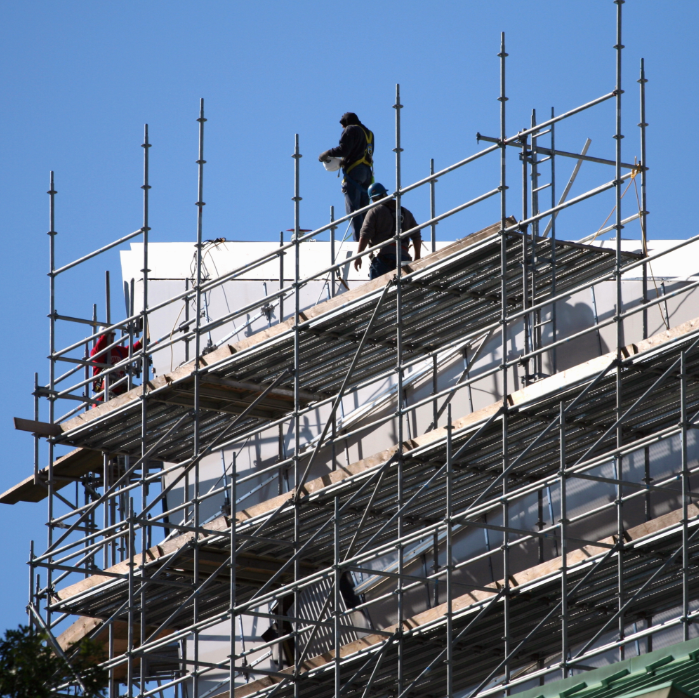
Temporary structures and scaffolding play a vital role in construction projects, providing essential support for workers, materials, and equipment. However, improper planning, installation, or use of these structures can lead to significant legal and safety issues. Understanding the legal framework surrounding temporary structures and scaffolding is crucial for construction professionals to mitigate risks and ensure compliance with safety regulations.
Understanding the Legal Framework
Temporary structures, including scaffolding, site offices, hoardings, and formwork, must comply with national and local building codes, as well as Occupational Safety and Health Administration (OSHA) standards in the U.S. or equivalent regulations in other countries. Compliance ensures that these structures are safe and do not pose hazards to workers or the public.
Key Legal Considerations
Permits and Approvals
Many jurisdictions require permits before erecting scaffolding or temporary structures, especially in public spaces.
Failure to obtain the necessary approvals can lead to fines or work stoppages.
Occupational Safety and Health Regulations
Scaffolding must meet safety standards, including proper weight limits, guardrails, and access points.
Regular inspections and maintenance are required to prevent collapses and falls.
Liability and Risk Management
If scaffolding collapses or a temporary structure fails, determining liability is critical.
Contractors, site managers, and third-party suppliers may share legal responsibility based on contractual agreements.
Worker Training and Competency Requirements
OSHA and other regulatory bodies require workers to be trained in scaffolding erection, use, and dismantling.
Contractors are legally responsible for ensuring workers are competent in handling temporary structures safely.
Contractual Obligations
Construction contracts must clearly define responsibilities regarding the supply, maintenance, and removal of temporary structures.
Disputes often arise when defects, negligence, or misuse lead to accidents or project delays.
Insurance Coverage
Contractors must ensure they have adequate insurance covering temporary structures, including liability for accidents.
Workers' compensation policies must also be in place to cover injuries.
Environmental and Zoning Laws
Temporary structures must comply with zoning laws and environmental regulations.
Some jurisdictions require impact assessments for large-scale temporary installations.
Best Practices for Legal Compliance
Conduct thorough risk assessments before installing temporary structures.
Ensure all permits and approvals are secured before construction.
Regularly inspect scaffolding and temporary structures to maintain safety.
Provide comprehensive worker training on scaffolding safety.
Have well-drafted contracts outlining responsibilities and risk management measures.
Maintain adequate insurance to cover liabilities.
Temporary structures and scaffolding are essential components of construction projects, but their improper use can lead to severe legal and financial consequences. By understanding the legal requirements, adhering to safety regulations, and implementing best practices, construction professionals can ensure compliance, protect workers, and minimize liability risks.
Disclaimer: The information presented in this article is intended for general informational purposes only and does not constitute legal advice. Each situation may be different, and the complexities of construction law require personalized legal consultation. Please consult your own attorney to obtain advice with respect to any particular legal issue.
© 2026 | Lance Luke | Expert Witness