
THE LEGAL IMPLICATIONS OF WOOD DAMAGE: TERMITE AND WOOD ROT
Lance Luke
10/26/20252 min read
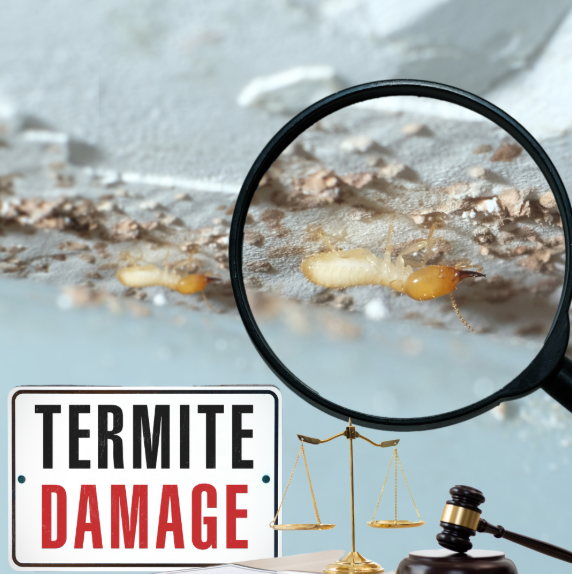
Wood is a foundational material in construction, cherished for its versatility and strength. However, it's not invincible. Two common enemies of wood in construction are termites and wood rot. In this article, we will explore the legal implications of wood damage caused by termites and wood rot, and how these issues can lead to disputes, property damage claims, and legal actions.
1. Property Damage Claims:
Termite infestations and wood rot can lead to significant property damage. In many cases, property owners may seek compensation for the repair or replacement of damaged wood components. Disputes may arise over the extent of damage and the responsible party for treatment and repairs.
2. Home Inspections and Disclosures:
In real estate transactions, property sellers are often required to disclose known issues, including termite damage and wood rot. Failure to disclose such problems can lead to legal action by buyers who later discover these issues, claiming that they were not informed properly.
3. Pest Control Contracts:
Pest control companies often offer termite prevention and treatment services. Disputes may occur if the chosen pest control provider fails to effectively prevent or eradicate termite infestations, resulting in ongoing damage. Contracts and warranties in these cases may be subject to legal scrutiny.
4. Contractor Liability:
Construction contractors may be held liable for poor construction practices that contribute to wood damage. If improper drainage, ventilation, or sealing techniques lead to wood rot, property owners may pursue legal action against the contractor for breach of contract or negligence.
5. Homeowner's Insurance:
Homeowner's insurance policies may cover damage caused by unexpected events, such as sudden wood rot due to a plumbing leak. However, disputes can arise when insurers deny claims, alleging that the damage is a result of inadequate maintenance rather than a covered peril.
6. Landlord-Tenant Disputes:
In rental properties, disputes between landlords and tenants may occur when wood damage affects habitability. Tenants may request repairs, rent reductions, or even lease terminations if the damage significantly impacts living conditions.
7. Litigation Costs:
Wood damage disputes can lead to costly litigation, involving lawyers, expert witnesses, and property assessments. The legal costs of resolving these disputes can be substantial and may become a point of contention between parties.
Prevention and Mitigation:
To minimize the legal implications of wood damage, property owners, contractors, and pest control companies should prioritize preventive measures, regular inspections, and timely repairs. In real estate transactions, full disclosure and thorough home inspections are crucial for transparency and risk mitigation.
© 2026 | Lance Luke | Expert Witness