
THE LEGAL IMPLICATIONS OF DEFECTIVE BUILDING MATERIALS
Lance Luke
7/26/20251 min read
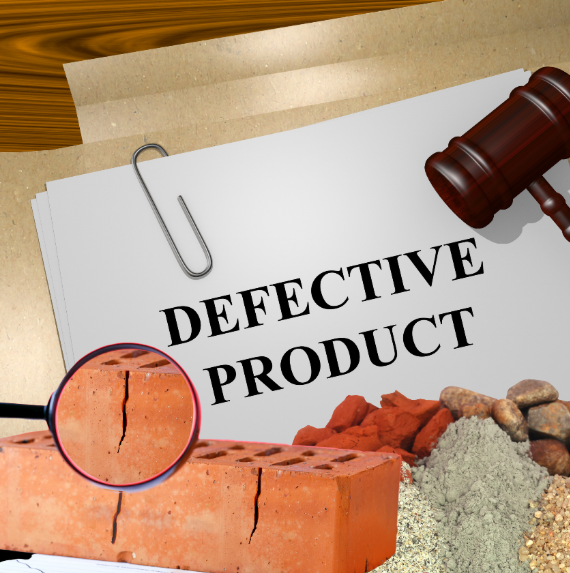

Defective building materials can cause a wide range of problems, from minor inconveniences to major safety hazards. In some cases, they can even lead to personal injury or death.
The liability for defective building materials can be complex and far-reaching. In most cases, the liability falls on the party that supplied the materials, such as the manufacturer, distributor, or retailer. In some cases, the contractor who installed the materials may also be liable.
The types of damages that can be recovered for defective building materials will vary depending on the specific circumstances of the case. However, some common types of damages include the cost of repairing or replacing the defective materials, the cost of lost rent or income, the cost of personal injury or property damage, pain and suffering, and emotional distress.
The statute of limitations is the time limit within which a lawsuit must be filed for defective building materials. The statute of limitations varies from state to state, but it is typically between four and six years.
There are a few things you can do to protect yourself from defective building materials: hire a reputable contractor who has experience using the materials you want; get written warranties from the contractor and the suppliers of the materials; inspect the construction site regularly to make sure the materials are being used properly; and keep records of all communications with the contractor and the suppliers of the materials.
If you believe that your property has been damaged by defective building materials, you should contact an attorney to discuss your legal options.
© 2026 | Lance Luke | Expert Witness