
THE IMPACT OF AUGMENTED REALITY ON CONSTRUCTION LAW
Lance Luke
12/27/20252 min read
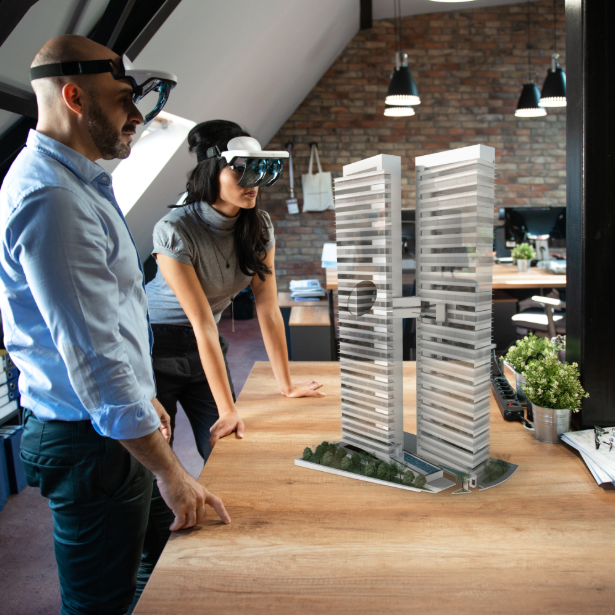
Previously limited to games and entertainment, augmented reality (AR) is now revolutionizing the construction sector. AR is currently being used on construction sites to improve overall efficiency, facilitate collaboration, and enhance project visualization. But this quick adoption of AR technologies also brings with it a number of legal issues that need to be carefully considered. In this new era of digitalized construction processes, this paper addresses important topics including responsibility, data privacy, and contractual frameworks as it examines the complex effects of augmented reality on construction law.
Enhanced Visualization and Project Planning:
Stakeholders in construction can view and engage with 3D models of projects superimposed on the actual construction site thanks to augmented reality. This enhances project teams' communication while also increasing the accuracy of project planning. This improved visualization has legal ramifications that include defining accountability frameworks in situations where AR representations deviate from actual conditions and defining roles in the event of design inconsistencies.
Data Privacy Challenges:
When AR is used, a lot of data is collected and processed, which raises privacy problems. Regulation regulation is necessary for construction firms that use AR to guarantee compliance with data protection rules. Consent, safe data storage, and the possible sharing of AR-generated data with other parties are just a few of the concerns that legal frameworks must handle.
Liability and Safety Considerations:
As AR is integrated into construction processes, safety and liability concerns surface. Legal experts need to set precise rules for using AR technologies and specify who is responsible for mistakes or mishaps brought about by AR-generated data. This entails dealing with concerns about staff training on augmented reality systems and making sure the technology improves job site safety rather than jeopardizes it.
Contractual Frameworks for AR Integration:
The integration of augmented reality technologies may not be sufficiently covered by traditional building contracts. Legal professionals must create contracts that clearly specify how AR will be used, spell out each party's obligations, and set up procedures for resolving disagreements involving data or visualizations produced by AR.
The planning, visualisation, and implementation of building projects are being radically transformed by augmented reality. The legal landscape will need to change as this technology gets more integrated into construction methods in order to handle the potential and issues it brings. Beyond liability issues, augmented reality has an impact on contractual frameworks, data privacy, and safety issues in the construction industry. The construction industry may fully benefit from augmented reality while minimizing potential hazards by proactively resolving these legal issues. This will pave the way for a future that is both more efficient and compliant with the law.
© 2026 | Lance Luke | Expert Witness