
The Claim Anatomy: Navigating the Most Contentious Chapter in Construction
To some owners and architects, "claim" is an unsavory word. They view them as hostile assaults on their management....
Lance Luke
5/27/20262 min read
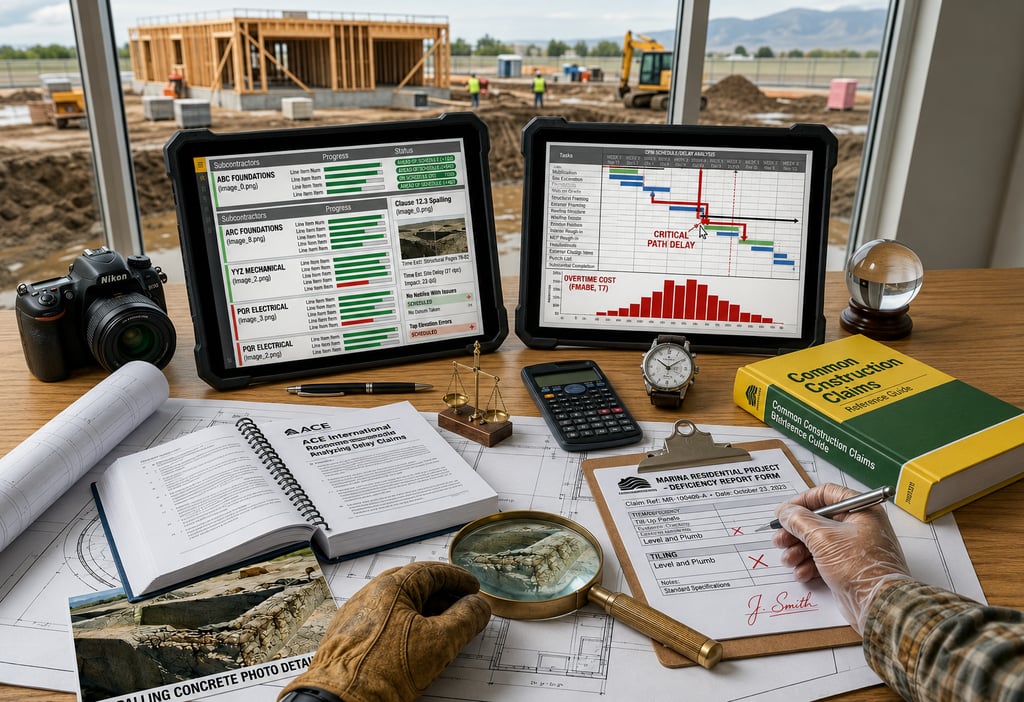
To some owners and architects, "claim" is an unsavory word. They view them as hostile assaults on their management. Conversely, some contractors file them indiscriminately. In reality, a claim is the only contractually provided procedure by which either party can openly and fairly assert their position regarding time or money. It is not a declaration of war; it is the first step in a formal dispute resolution process.
In my 45 years as a building expert and forensic consultant, I’ve navigated thousands of these "threshold matters." Here is a technical breakdown of how to handle the complicated dimensions of construction contract claims.
1. The Threshold: What Triggers a Claim?
A claim isn’t just a complaint; it is a written demand or assertion seeking a change in price, time, or contract interpretation following the denial of a change order submittal. Typically, the process starts because:
The Owner issues a change notice: Altering scope, working conditions, or construction methods.
The Contractor encounters Differing Site Conditions (DSC): And requests a Change Order.
Constructive Changes occur: Instructions from the owner that effectively change the scope without a written order.
2. The Two Pillars: Entitlement and Quantum
For any claim to succeed, it must establish two elements:
The Entitlement Element: Proving that the contract terms actually grant you the right to an adjustment.
The Quantum Element: Establishing the exact dollar amount (price) or number of days (time) you are owed.
3. "Red Flag" Provisions: Notice and Waiver
The most critical provision is the Notice Requirement. Most contracts provide that failure to give written notice within a specific window results in a waiver of the right to file.
Constructive Notice: Sometimes you can "dodge the bullet" if the owner was obviously aware of the event (like a flood), but relying on this is risky. Strictly comply with written requirements to avoid forfeiture.
4. Proving the Quantum: The "Cost of the Work"
When parties can't agree on a lump sum for a claim, they move to the Cost of the Work method. This is a retrospective look at actual, necessary costs:
Labor: Actual payroll rates plus taxes.
Materials: Net price delivered to the site.
Equipment Rental: Usually determined by the Rental Rate Blue Book. Idle equipment is often reimbursed at 50% of the "monthly" rate.
The "Plus": A percentage (typically 15% for contractors) to cover overhead, bonds, and profit.
5. Methods of Proving Decreased Efficiency
This is the most difficult part of a claim—proving that the original work became harder. I use three primary forensic methods:
Industry Published Factors: Using data from NECA or the Business Roundtable to show how overtime or trade stacking hurts morale and productivity. (Owners are often skeptical of this).
Comparison with Bid Estimates: Using the original as-bid production rates as a benchmark.
The Measured Mile Analysis (The Gold Standard): Comparing the productivity in an impacted area of the project against an unimpacted area on the same project.
Bottom Line: A claim is a professional demand for what is due. Whether you are dealing with "proximate" costs or "impact" costs, your success depends on strict adherence to notice periods and the meticulous tracking of daily labor and equipment. Don't let a "fairy tale" response cloud the technical reality of your production rates.