
Step Into Safety: Why Slip-and-Fall Prevention is About Process, Not Just Products
Lance Luke, Construction Manager
6/25/20262 min read
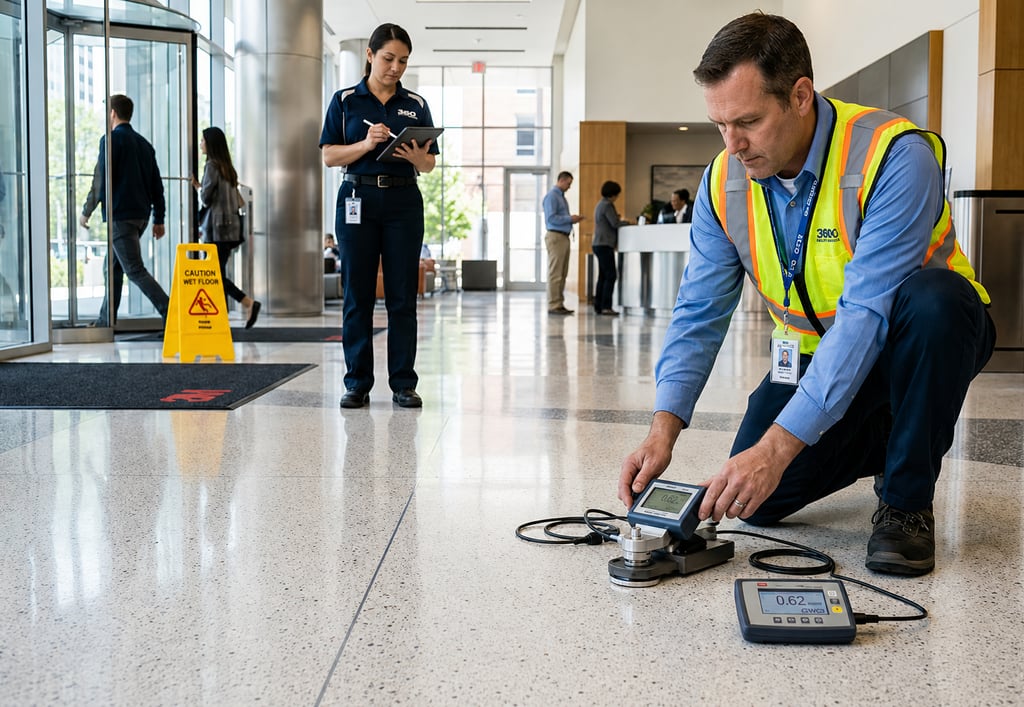
In my 45 years inspecting buildings and serving as a forensic consultant, I’ve walked through thousands of commercial lobbies, retail floors, and construction sites. When a slip-and-fall accident occurs, the first thing people usually point to is the floor itself. They ask about the wax, the tile type, or the "non-slip" coating.
But here’s the technical reality: most of these incidents aren't caused by a failure of the product—they are caused by a breakdown in the process. You can buy the most expensive, high-traction flooring on the market, but if your maintenance team isn't following a standardized protocol, you’re still standing on a liability landmine. To truly "Nail It," we have to look past the surface and into the systems that keep that surface safe.
1. The Real Scope of the Risk
We aren't just talking about a minor trip. According to U.S. Bureau of Labor Statistics data, slips, trips, and falls represent over 25% of all nonfatal workplace injuries that result in days away from work.
In my forensic investigations, I rarely find a single "smoking gun." Instead, I find a chain of process failures: a cleaning schedule that fluctuated, a spill response that was delayed, or environmental conditions (like a rainy day in Honolulu) that weren't monitored at the entryway.
2. Standardization: Your Best Defense Against Variability
Risk lives in the gaps between shifts. If the morning crew mops one way and the night crew mops another, you get inconsistent traction.
Residue Buildup: Using the wrong dilution of cleaner creates a slippery film.
Moisture Management: Leaving "hot spots" of water behind after mopping.
Verification: Reopening a floor to foot traffic before it’s 100% dry.
Standardized, documented procedures are what eliminate this variability. It’s not just about what you use to clean; it’s about how and when it’s verified safe.
3. Proactive Inspection vs. Reactive Signage
Most facility managers wait for a complaint or an accident to look at their floors. That is a "fairy tale" approach to safety.
The Routine Check: High-traffic areas like restrooms, loading docks, and food service zones need scheduled, documented inspections.
Early Detection: You need to spot finish wear or uneven surfaces before someone loses their footing.
Due Diligence: In a U.S. court, a logbook showing consistent, proactive inspections is your strongest shield against a negligence claim.
4. Hazard Recognition and Clear Ownership
A major red flag in any building is "diffusion of responsibility." If a pipe leaks or a drink spills, who is responsible for the immediate response?
Clear Roles: Your team needs defined ownership for monitoring entryways during inclement weather.
Response Protocols: There should be a "no-wait" policy for moisture.
Training for Awareness: Staff must be trained to anticipate risks—like tracking water from a lobby into a corridor—and intervene before a hazard escalates.
5. Building a Process-Driven Safety Culture
Reactive safety—adding more "Wet Floor" signs only after someone gets hurt—doesn't address the root cause. A process-driven culture integrates slip prevention into daily operations.
Environmental Awareness: Adjusting protocols based on humidity and seasonal changes.
Workforce Reinforcement: Regular safety briefings to prevent "procedure drift."
Systemic Prevention: Addressing the maintenance workflow so that hazards are eliminated before a claim is ever filed.
Bottom Line: Your flooring material is only as good as the person maintaining it. By shifting your focus from the product to the process, you protect your occupants, your reputation, and your bottom line. In this industry, consistency is the hallmark of professionalism. Don't wait for a legal nightmare to start—audit your maintenance process today.
Need a forensic eye on your project?
Visit HawaiiBuildingExpert.com or NationalBuildingExpert.com to ensure home or building is built to last.