
SOLAR ENERGY INSTALLATIONS: LEGAL CONSIDERATIONS IN CONSTRUCTION
Lance Luke
12/26/20252 min read
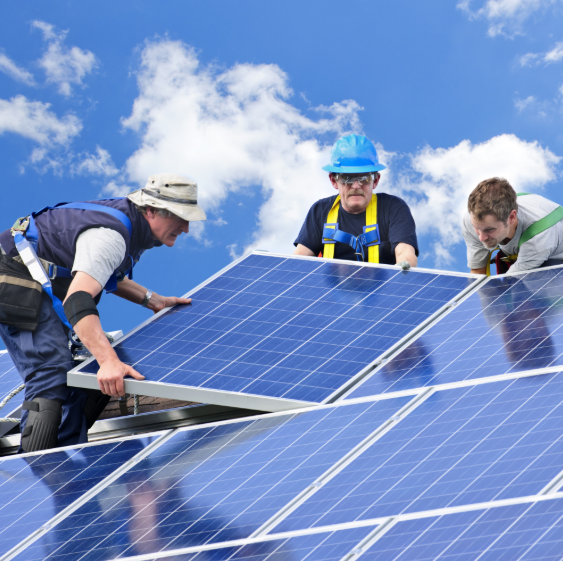
Solar energy installations have become the front-runner in the race towards a greener future as the world moves toward sustainable energy options. Construction is a key sector in the solar technology rollout, from large-scale solar farms to residential rooftops. In this blog post, we explore the legal issues that players in the renewable energy and construction industries need to deal with before starting a solar energy installation.
Zoning and Land Use Regulations:
It is essential to comprehend local zoning laws and land use regulations prior to commencing any solar project. Lawyers handling matters like setback limitations and land zoning classifications must make sure that all limits are followed and that the required licenses are obtained.
Environmental Impact Assessments:
The installation of solar energy, particularly in large-scale projects, may lead to environmental impact studies. Legal factors include following environmental laws, taking care of any possible ecological issues, and obtaining the necessary approvals from environmental organizations.
Grid Connection and Interconnection Agreements:
Interconnection agreements must be negotiated in order to connect a solar project to the electrical grid. Legal practitioners need to ensure seamless integration into the current energy infrastructure by navigating technical specifications, regulatory regulations, and dispute resolution procedures.
Property Rights and Easements:
Air rights or land access are frequently needed for solar projects. For the installation, legal professionals must protect property rights and negotiate easements, handling matters including land leases, access, and any effects on nearby properties.
Contractual Agreements:
Drafting comprehensive contracts is essential for solar energy installations. Legal considerations include defining project scope, timelines, responsibilities of each party, and provisions for potential issues such as equipment failures, maintenance, and warranties.
Financing and Incentives:
Government subsidies and intricate financial arrangements are common components of solar installations. To optimize the financial gains for project stakeholders, legal practitioners need to manage tax credits, grants, and other financial incentives while making sure all regulatory obligations are met.
Community Engagement and Stakeholder Relations:
The success of solar installations depends on local communities being involved. Dealing with community concerns, establishing agreements for community benefits, and cultivating goodwill in order to lessen any resistance are all legal matters.
Installing solar energy systems is a crucial step toward a sustainable and environmentally friendly future. However, navigating the legal situation carefully is necessary to fully realize the potential of solar power. In solar construction projects, property rights, interconnection agreements, environmental assessments, zoning laws, and other contractual issues must all be addressed by stakeholders working with legal professionals. By doing this, we can support a cleaner, more sustainable energy future while ensuring the successful integration of solar energy projects. Salute the sun and salute the future!
© 2026 | Lance Luke | Expert Witness