
RISKS AND REGULATIONS IN UNDERGROUND CONSTRUCTION PROJECTS
5/19/20262 min read
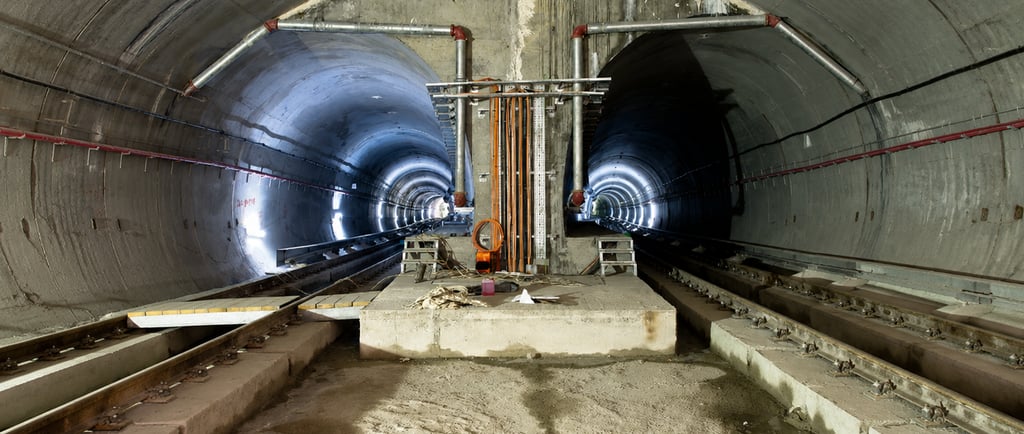
Underground construction projects, such as subways, tunnels, and subterranean facilities, present unique challenges and risks. These projects require meticulous planning and adherence to stringent regulations to ensure safety and efficiency. This article explores the various risks associated with underground construction and the regulatory frameworks that govern these projects.
Key Risks in Underground Construction
Geological Risks: Understanding the geological makeup is crucial as it influences the project's design and construction approach. Unforeseen geological conditions can lead to project delays and increased costs.
Air Quality and Ventilation: Ensuring adequate ventilation in underground construction sites is vital for worker safety, especially in controlling the exposure to hazardous gases and maintaining breathable air quality.
Water Ingress: Water entering the construction site can cause structural instability, equipment failure, and safety hazards. Effective water control measures are essential.
Fire Hazards: The confined spaces of underground sites escalate the risk of fire. Implementing strict fire safety protocols and emergency response plans is critical.
Structural Integrity Risks: The impact on surrounding structures and the surface must be carefully monitored to prevent collapses or subsidence.
Worker Safety: The confined and often remote nature of underground sites increases risks to workers, including accidents and health issues related to prolonged underground exposure.
Regulatory Frameworks
Occupational Safety and Health Administration (OSHA) Standards: OSHA provides specific regulations for underground construction (29 CFR 1926 Subpart S), addressing air quality, emergency response, and safety equipment requirements.
Environmental Protection Laws: These projects must comply with environmental regulations concerning waste management, water protection, and air quality.
Building Codes: Compliance with local and international building codes ensures structural integrity and safety.
Fire Safety Regulations: Adherence to fire safety standards is crucial, including the installation of fire suppression systems and safe evacuation routes.
Risk Assessment and Management Policies: Mandated risk assessments identify potential hazards, with subsequent development of management strategies.
Mitigation Strategies
Advanced Geological Surveys: Detailed surveys help in anticipating and preparing for potential geological issues.
Robust Safety Protocols: Implementing comprehensive safety protocols and regular training can significantly reduce accidents and health hazards.
Innovative Technology Utilization: Modern technologies like Building Information Modeling (BIM) and Geographic Information Systems (GIS) aid in precise planning and risk management.
Continuous Monitoring: Real-time monitoring of air quality, structural stability, and water ingress is essential.
Emergency Preparedness: Developing and practicing emergency response plans ensures readiness for potential crises.
Underground construction projects, while challenging, can be successfully executed by understanding and mitigating the inherent risks and adhering to the relevant regulatory frameworks. The key is thorough planning, continuous monitoring, and unwavering commitment to safety and environmental standards.