
REGULATORY COMPLIANCE FOR HEAVY MACHINERY USE IN CONSTRUCTION SITES
Lance Luke
5/26/20262 min read
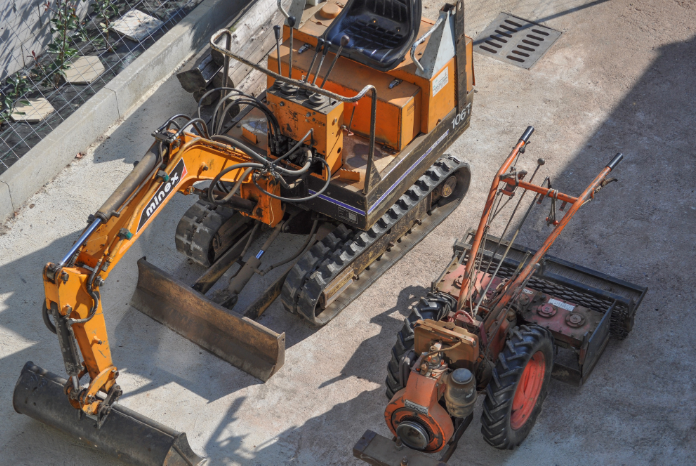
In the construction industry, the use of heavy machinery is integral to achieving project goals efficiently and effectively. However, the operation of such equipment comes with significant risks, not only to the operators but also to other construction workers and the general public. Ensuring regulatory compliance is crucial for maintaining a safe construction site and mitigating potential liabilities. This article explores the key aspects of regulatory compliance for heavy machinery use on construction sites.
1. Understanding the Regulations
Regulatory bodies such as the Occupational Safety and Health Administration (OSHA) in the United States set guidelines and standards for the safe operation of heavy machinery. These regulations are designed to protect workers from hazards associated with equipment operation, such as accidents and injuries from machinery rollovers, collisions, or mechanical failures.
2. Operator Training and Certification
A fundamental requirement is that heavy machinery operators must be adequately trained and certified. Training programs should cover not only the operational skills needed to run the equipment but also safety practices, emergency response, and routine maintenance checks. Certification ensures that operators have been tested on their knowledge and abilities to manage the machinery safely.
3. Regular Maintenance and Inspections
Compliance also requires that all heavy machinery is regularly inspected and maintained. This includes pre-operation checks and scheduled maintenance as recommended by the manufacturer. Logs of these checks should be maintained as part of the compliance documentation. Ensuring that machinery is in good working condition reduces the risk of accidents caused by equipment failure.
4. Safety Protocols and Emergency Procedures
Construction sites must establish and enforce safety protocols specific to the use of heavy machinery. This includes defining clear operational zones, using signage to warn of dangers, and ensuring that all workers wear appropriate personal protective equipment (PPE). Additionally, emergency procedures must be in place to respond effectively to any accidents.
5. Documentation and Record Keeping
Keeping detailed records is critical for regulatory compliance. This includes logs of machine usage, operator training and certifications, maintenance and repair records, and documentation of any incidents or near-misses involving heavy machinery. Such records not only help in regular audits but also provide essential documentation in the event of legal scrutiny following an accident.
6. Environmental Considerations
In many regions, operating heavy machinery is also subject to environmental regulations, which may govern emissions, noise levels, and other environmental impacts. Compliance in this area involves adhering to emission standards, using the proper fuel, and implementing strategies to minimize environmental disruption.
7. Liability Insurance
Finally, maintaining adequate liability insurance is a crucial aspect of regulatory compliance for heavy machinery use. Insurance can provide financial protection against claims resulting from accidents or damage caused by machinery operations.
Regulatory compliance for heavy machinery use on construction sites is complex and multi-faceted. It requires a commitment to thorough training, diligent maintenance, and rigorous safety protocols. By adhering to these regulations, construction companies can not only avoid hefty fines and legal troubles but also foster a culture of safety that protects their workers and the public.
© 2026 | Lance Luke | Expert Witness