
PREVENTING SLIPS, TRIPS, AND FALLS: A GUIDE TO LIABILITY AND PREVENTION
10/17/20252 min read
Slips, trips, and falls are among the most common accidents that can occur in various settings, from homes to workplaces and public spaces. These accidents can result in serious injuries and even legal liabilities. In this article, we'll explore the importance of preventing slips, trips, and falls, both from a liability perspective and in terms of practical prevention measures.
Understanding the Liability:
Property Owner's Responsibility: Property owners, whether residential or commercial, have a legal duty to maintain their premises in a safe condition. This duty includes regularly inspecting for hazards, repairing or addressing them promptly, and providing adequate warnings when necessary.
Visitor's Rights: Visitors and customers have the right to expect a reasonably safe environment when on someone else's property. If an injury occurs due to a hazard that the property owner should have addressed, the injured party may have grounds to pursue a personal injury claim.
Common Causes of Slips, Trips, and Falls:
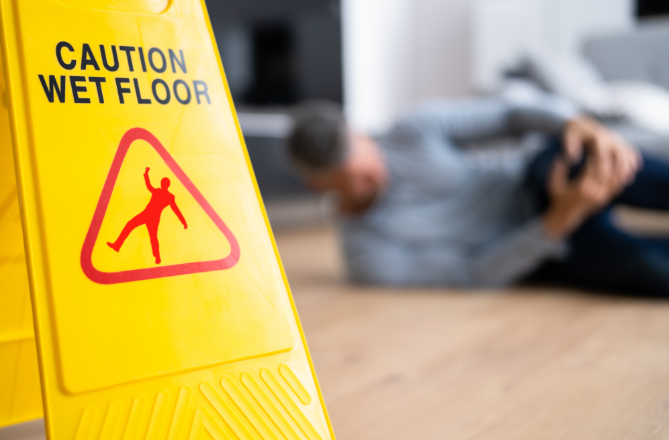
Wet or Slippery Surfaces: Spills, leaks, and wet floors can create slippery conditions. Property owners should promptly clean up spills and provide warning signs when surfaces are wet.
Uneven or Damaged Flooring: Uneven sidewalks, cracked pavement, or damaged flooring can lead to trips and falls. Repairing these issues promptly is crucial.
Poor Lighting: Insufficient lighting can make it difficult for people to see hazards. Adequate lighting in walkways, staircases, and common areas is essential.
Clutter and Obstacles: Cluttered walkways and areas obstructed by objects can lead to trips and falls. Keeping walkways clear and organized is a preventive measure.
Prevention Measures:
Regular Maintenance: Property owners should conduct routine inspections and maintenance to identify and address potential hazards promptly.
Floor Mats: Placing non-slip mats in areas prone to moisture, such as entryways, can reduce the risk of slipping.
Adequate Signage: Use warning signs to alert people to potential hazards, such as wet floors or uneven surfaces.
Good Housekeeping: Keeping areas clean, organized, and free of clutter is vital to prevent accidents.
Proper Footwear: Encourage appropriate footwear for different environments. Non-slip shoes can be especially useful.
Handrails and Guardrails: Ensure that handrails and guardrails are in good condition and installed in areas where they are needed, such as staircases.
Training and Awareness: Educate employees, residents, or visitors about the importance of vigilance and safety precautions.
Preventing slips, trips, and falls is not only a matter of safety but also a legal responsibility for property owners and managers. By taking proactive steps to identify and mitigate hazards, property owners can reduce the risk of accidents and potential liability. Remember, an ounce of prevention is worth a pound of cure when it comes to these common but avoidable accidents.
© 2026 | Lance Luke | Expert Witness