
MITIGATING LEGAL RISKS IN VIRTUAL REALITY APPLICATIONS FOR CONSTRUCTION PLANNING
Lance Luke
3/6/20242 min read
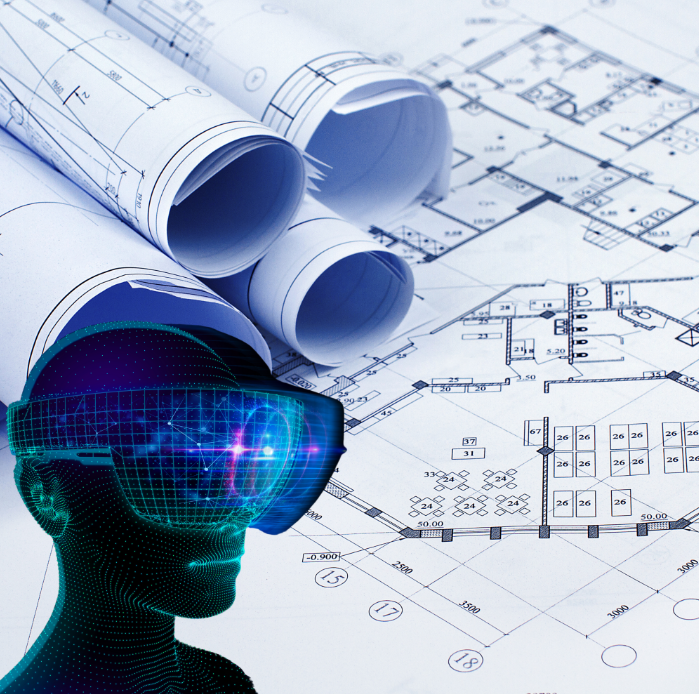
Virtual Reality (VR) is revolutionizing construction planning, allowing architects, engineers, and contractors to visualize and simulate projects before breaking ground. However, while VR enhances accuracy and collaboration, it also introduces new legal risks that construction professionals must address.
1. Contractual Clarity in VR-Integrated Projects
When incorporating VR into construction planning, contracts must explicitly define its scope, responsibilities, and deliverables. Key aspects include:
Accuracy disclaimers – Clearly outline that VR models are conceptual and may not reflect final on-site conditions.
Error liability – Specify who is responsible if discrepancies between VR models and actual construction lead to costly revisions.
Software ownership – Ensure clarity over whether the VR assets belong to the client, contractor, or third-party provider.
2. Intellectual Property Protection in VR Models
VR applications generate intricate 3D models, simulations, and interactive experiences that may contain proprietary designs and methods. Legal considerations include:
Ownership rights – Establish who owns the VR models, whether the construction firm, software developer, or client.
Copyright and patents – Protect custom VR solutions from unauthorized replication or misuse.
Licensing agreements – Ensure fair use of third-party VR software and clarify modification and distribution rights.
3. Data Privacy and Security Concerns
VR applications collect and store vast amounts of project-related data, raising concerns about:
Confidentiality agreements – Implement legal measures to prevent unauthorized access to project data.
Cybersecurity protocols – Protect sensitive client and project information from cyber threats.
Compliance with regulations – Follow international and local data protection laws, such as GDPR or CCPA, when handling VR-generated data.
4. Liability in Case of Errors or Omissions
If a construction project encounters issues due to reliance on VR simulations, determining liability becomes complex. Potential risks include:
Discrepancies between VR and reality – Who is at fault if design flaws are not detected in VR but cause real-world structural issues?
Defective VR software – Could a software bug leading to incorrect measurements result in a legal claim against the VR provider?
User training liability – Ensure construction teams understand the limitations of VR technology and avoid over-reliance on simulations.
5. Legal Considerations in VR-Based Training
Many construction firms use VR for safety training and skill development. However, legal issues arise in:
Workplace safety compliance – Ensuring that VR-based training meets Occupational Safety and Health Administration (OSHA) or equivalent safety standards.
Accident liability – Addressing legal consequences if VR-trained workers still experience safety incidents on-site.
Employee rights – Protecting workers from excessive data tracking during VR training sessions.
While VR is a game-changer in construction planning, firms must proactively address its legal risks. Implementing well-defined contracts, securing intellectual property rights, ensuring data security, and mitigating liability concerns will help construction companies integrate VR responsibly.
Disclaimer: The information presented in this article is intended for general informational purposes only and does not constitute legal advice. Each situation may be different, and the complexities of construction law require personalized legal consultation. Please consult your own attorney to obtain advice with respect to any particular legal issue.
© 2026 | Lance Luke | Expert Witness