
LIABILITY ISSUES IN THE USE OF ROBOTICS ON CONSTRUCTION SITES
Lance Luke
6/27/20252 min read
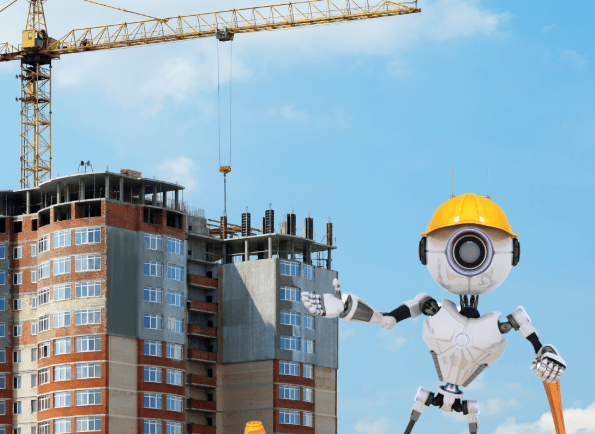
The integration of robotics in construction is revolutionizing the industry, enhancing efficiency, safety, and precision. However, as robots become more prevalent on construction sites, it’s crucial to understand the liability issues that arise with their use. This blog post aims to dissect these complexities and offer insights into managing liability effectively.
1. The Rise of Robotics in Construction:
Robots in construction range from automated machinery for repetitive tasks to drones for site surveying. These technological advancements have led to increased productivity and safety. However, they also introduce new legal considerations, particularly concerning liability and responsibility when things go wrong
2. Liability Challenges and Considerations:
Product Liability: Manufacturers of construction robots could be held liable if their product has a defect that causes damage or injury.
Operational Liability: The construction company operating the robot is responsible for ensuring it's used safely and effectively. Inadequate training or supervision could lead to accidents, raising questions about operational liability.
Third-Party Liability: If a robot causes damage to a third party, determining liability can be complex. It could involve the construction company, robot operator, or manufacturer, depending on the situation.
3. Insurance and Robotics:
Insurance plays a critical role in managing these risks. Companies should review their policies to ensure they cover robotic equipment and related liabilities. Additionally, exploring new insurance products specifically designed for robotics in construction can be beneficial.
4. Legal Precedents and Regulation:
The legal framework around robotics in construction is still evolving. Construction firms must stay informed about changes in laws and regulations related to robotic equipment and technology on worksites
5. Best Practices for Managing Liability:
Robust Training: Ensure all personnel are adequately trained in operating and working alongside robotic technology.
Clear Procedures and Documentation: Establish clear usage procedures and maintain thorough documentation, including logs of operation, maintenance, and incident reports.
Collaboration with Legal Experts: Work closely with legal advisors to understand liabilities and draft contracts that address the specific risks associated with the use of robotics.
As robotics continue to be an integral part of the construction industry, understanding and managing associated liability issues becomes imperative. By staying informed, ensuring robust training, and maintaining clear procedures, construction companies can navigate these challenges effectively, reaping the benefits of this technological advancement while minimizing risks.
© 2026 | Lance Luke | Expert Witness