
LEGAL PERSPECTIVES ON SUSTAINABLE CONSTRUCTION PRACTICES
Lance Luke
2/28/20262 min read
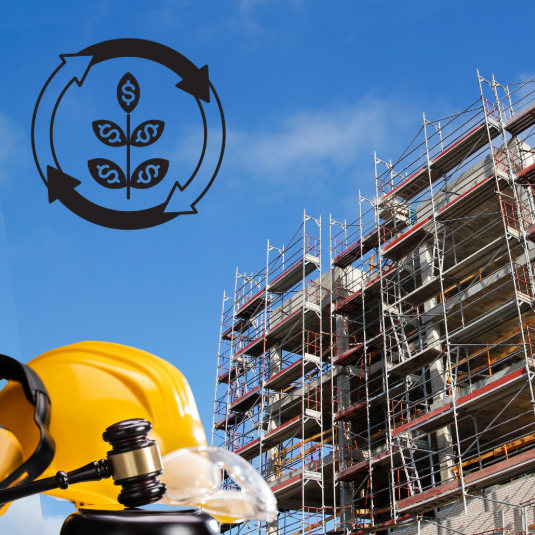
A global push for sustainability and increased awareness of climate change are causing a radical change in the building industry, leading to more environmentally friendly practices. Beyond green building guidelines, sustainable construction takes a comprehensive strategy to reduce environmental impact, improve energy efficiency, and foster social responsibility. This blog post explores the legal issues that influence environmentally aware development in the future by diving into the legal viewpoints around sustainable construction techniques.
Compliance with Environmental Regulations:
Ensuring that sustainable construction processes comply with local, national, and international environmental rules is a critical responsibility of legal experts. Handling waste management, other environmental impact studies, and standards for air and water quality are all part of navigating compliance difficulties.
Green Building Certification and Standards:
Navigating complicated regulatory systems is frequently necessary to obtain green building certifications, such as LEED or BREEAM. As construction stakeholders navigate certification procedures, lawyers have a responsibility to oversee compliance with sustainable building standards and paperwork requirements.
Contractual Agreements for Sustainability:
Contracts for environmentally friendly construction projects must demonstrate the parties' dedication to sustainable practices. Legal professionals are required to design agreements that specify the obligations of each party, the precise sustainability criteria, and the penalties for not adhering to sustainable practices.
Supply Chain and Material Transparency:
Responsible material procurement is emphasized in sustainable construction. Legal experts must handle the intricacies of the supply chain while making sure that vendors follow morally and environmentally responsible standards. To stay out of legal hot water with greenwashing, material sourcing must be transparent.
Energy Efficiency and Renewable Energy Integration:
Contracts pertaining to energy-efficient designs and the incorporation of renewable energy sources are negotiated in large part by lawyers. In sustainable construction projects, it's critical to address things like power purchase agreements and make sure energy performance criteria are being followed.
Social Responsibility and Community Engagement:
Sustainable construction extends beyond environmental considerations to include social responsibility. Legal perspectives in this realm involve community engagement, fair labor practices, and ensuring that construction projects positively impact local communities.
Liability and Risk Mitigation:
Legal experts need to properly assign blame and create risk-reduction plans tailored to the unique requirements of sustainable construction. Project success depends on addressing potential problems with eco-friendly materials, cutting-edge technologies, and unanticipated environmental effects.
The future of the building sector depends on sustainable construction methods, and legal experts are essential in navigating the changing legal landscape. By actively participating in environmental regulations, green building standards, and ethical concerns, attorneys help to ensure that sustainable construction methods are successfully implemented. Together, we can create a future in which construction is a catalyst for constructive social and environmental change in addition to being compliant with the law.
© 2026 | Lance Luke | Expert Witness