
LEGAL ASPECTS OF IMPLEMENTING BIOPHILIC DESIGN IN CONSTRUCTION
3/27/20252 min read
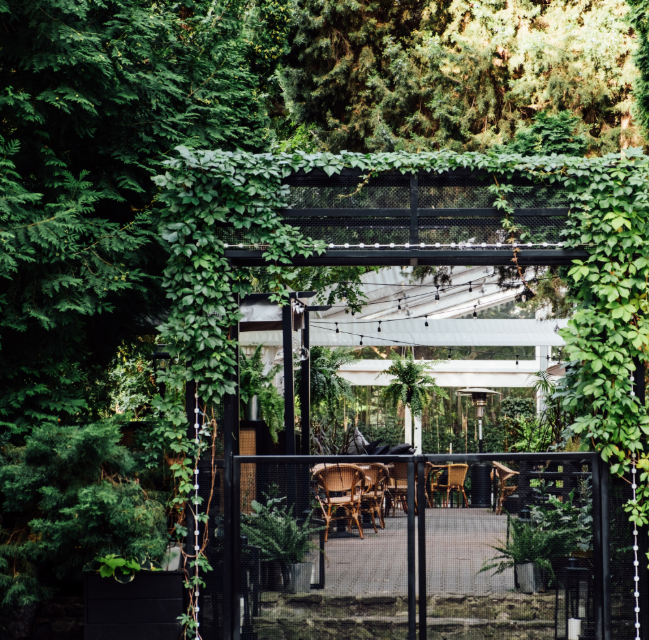
The integration of biophilic design in construction is revolutionizing the way we perceive our living and working spaces. By incorporating elements of nature into architectural designs, these spaces not only enhance aesthetic appeal but also promote health, well-being, and environmental sustainability. However, the adoption of biophilic design brings with it a range of legal considerations that must be carefully navigated.
Understanding Biophilic Design:
Definition and Principles: Biophilic design involves the integration of natural elements into the built environment. It is based on the concept that human beings have an innate connection to nature, and this connection can be nurtured through design that incorporates natural light, vegetation, natural materials, and other elements of the natural world.
Benefits: Research has shown that biophilic design can reduce stress, enhance creativity and clarity of thought, improve our well-being, and expedite healing.
Legal Considerations in Biophilic Design:
Building Codes and Regulations: The implementation of biophilic design must comply with existing building codes and regulations. This includes considerations related to structural integrity, safety standards, and environmental regulations.
Zoning and Land Use: Incorporating elements like rooftop gardens or vertical forests might require special zoning considerations or permissions, particularly in urban areas.
Environmental Impact Assessments: Large-scale biophilic projects may require environmental impact assessments to ensure they do not adversely affect local ecosystems or biodiversity.
Intellectual Property: Unique biophilic designs could be subject to intellectual property rights, protecting the creativity and innovation of the architects and designers involved.
Challenges and Solutions:
Balancing Design with Practicality: While integrating natural elements can be beneficial, it is essential to balance these with practical considerations such as maintenance, longevity, and functionality.
Cost Implications: The initial cost of implementing biophilic designs can be higher than traditional construction methods. However, these costs can often be offset by the long-term benefits in terms of energy efficiency, health improvements, and increased property values.
Adapting to Climate and Location: Biophilic design must be tailored to the specific climate and location to ensure sustainability and effectiveness. This involves using native plants and materials and considering local environmental conditions.
Case Studies:
Highlight successful examples of biophilic design in various types of construction projects, from residential buildings to corporate offices and public spaces.
Discuss the legal challenges faced and how they were overcome.
The legal landscape of biophilic design in construction is as evolving as the concept itself. As we move towards more sustainable and health-conscious building practices, understanding and addressing these legal aspects is crucial for architects, builders, and developers. Embracing biophilic design not only benefits occupants but also contributes to a more harmonious and sustainable relationship with our environment.
© 2026 | Lance Luke | Expert Witness