
INNOVATIVE CONSTRUCTION TECHNIQUES: LEGAL CONSIDERATIONS FOR IMPLEMENTATION
Lance Luke
3/6/20243 min read
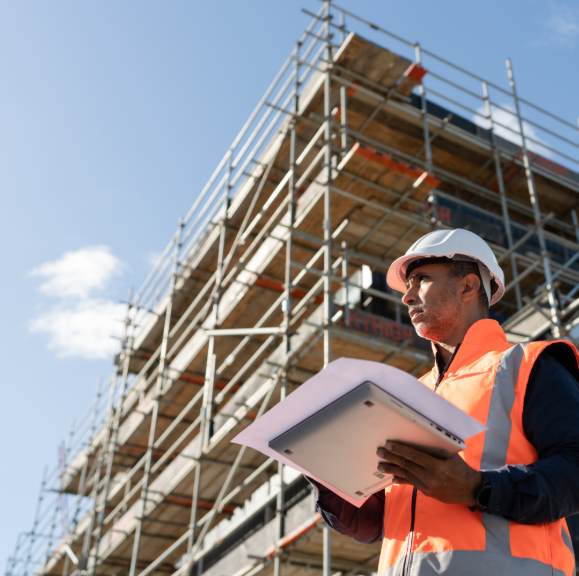
The construction industry is evolving rapidly, with innovative techniques such as modular construction, 3D printing, and sustainable building materials reshaping the way structures are designed and built. While these advancements bring efficiency and sustainability, they also introduce a range of legal complexities that must be addressed.
From regulatory compliance to liability concerns, understanding the legal considerations of implementing innovative construction techniques is essential for developers, contractors, and stakeholders.
1. Compliance with Building Codes and Regulations
Every construction method, regardless of how innovative it is, must comply with local, state, and federal building codes. New techniques often fall into gray areas of the law, as existing regulations may not have anticipated emerging technologies like robotic construction or prefabricated modular units.
Contractors must work closely with legal experts and regulatory bodies to ensure that new methods adhere to safety, fire, and zoning laws.
Obtaining permits and approvals can be more complex when using untraditional materials or building processes.
In some jurisdictions, special exemptions or new policies may be needed to accommodate modern construction techniques.
2. Contractual Challenges with New Construction Methods
When adopting innovative construction methods, traditional contracts may not be sufficient to cover all aspects of the project. Legal teams should ensure that contracts address:
Roles and Responsibilities: Clearly defining obligations between contractors, designers, technology providers, and suppliers.
Material and Workmanship Warranties: Ensuring that materials (such as 3D-printed components) meet industry standards.
Dispute Resolution Mechanisms: Establishing legal pathways to resolve conflicts that arise from using non-traditional methods.
Innovative projects require carefully drafted contracts that consider unique risks associated with advanced building techniques.
3. Liability and Risk Management
With new construction techniques come new liability concerns. If an innovative method leads to structural failure, environmental damage, or safety hazards, determining liability can be challenging.
Engineers and contractors must verify the structural integrity of materials and processes.
Insurance policies may need customized provisions to cover risks related to unproven or experimental techniques.
The legal framework for defects, negligence, and product liability should be adapted to cover cutting-edge materials and technologies.
Proper risk assessment and legal consultation are critical to avoiding lawsuits and financial losses.
4. Intellectual Property (IP) Protection
Many innovative construction techniques involve proprietary technologies, software, and design patents. Ensuring proper IP protection is crucial for businesses developing new methodologies.
Companies should patent unique construction processes to prevent unauthorized use.
Licensing agreements should outline how third parties can legally use innovative technologies.
Confidentiality clauses must be included in contracts to protect trade secrets related to advanced construction methods.
Failure to safeguard intellectual property can lead to financial losses and competitive disadvantages.
5. Sustainability Laws and Green Building Certifications
Many innovative construction techniques focus on eco-friendly practices, such as energy-efficient materials, carbon-neutral buildings, and water-saving systems. However, these projects must align with sustainability laws and green certifications.
Compliance with LEED, WELL, or BREEAM standards is essential for projects aimed at environmental responsibility.
Certain jurisdictions may offer tax incentives for using sustainable construction techniques.
Legal frameworks governing waste disposal, emissions, and environmental impact must be strictly followed.
Ignoring sustainability regulations can result in fines, permit rejections, or project delays.
Innovative construction techniques are revolutionizing the industry, but they also come with complex legal considerations. From regulatory compliance and contract adjustments to risk management and IP protection, businesses must take proactive legal measures to ensure the smooth adoption of modern construction methods.
As technology continues to reshape the construction landscape, legal professionals, contractors, and developers must collaborate to create a framework that balances innovation with legal compliance. By doing so, they can fully leverage the benefits of advanced construction techniques while minimizing legal risks.
Disclaimer: The information presented in this article is intended for general informational purposes only and does not constitute legal advice. Each situation may be different, and the complexities of construction law require personalized legal consultation. Please consult your own attorney to obtain advice with respect to any particular legal issue.
© 2026 | Lance Luke | Expert Witness