
EVALUATING THE LEGAL RISKS OF USING RECYCLED MATERIALS IN CONSTRUCTION PROJECTS
5/26/20262 min read
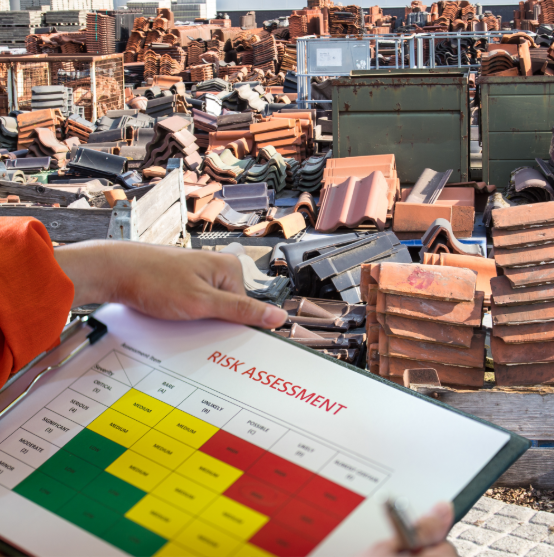
The construction industry is increasingly embracing sustainable practices, including the use of recycled materials. While this shift promotes environmental stewardship and resource efficiency, it also introduces a new set of legal considerations. This article explores the legal risks associated with using recycled materials in construction projects and offers strategies for mitigating these risks.
Understanding the Legal Landscape
The use of recycled materials in construction is governed by a complex web of regulations, standards, and guidelines at both the federal and state levels. These regulations aim to ensure that recycled materials meet safety and performance standards comparable to new materials. However, navigating this regulatory landscape can be challenging, and non-compliance can lead to legal disputes, fines, and project delays.
Risk Evaluation
1. Quality and Compliance Risks
Recycled materials may vary in quality and may not always meet the required standards for certain applications. Using substandard materials can lead to structural failures, posing significant safety risks and potential legal liabilities for construction companies and material suppliers.
2. Contractual Risks
Construction contracts often specify the materials to be used in projects. Using recycled materials without explicit approval from project stakeholders can breach contract terms, leading to disputes and potential penalties.
3. Warranty and Liability Issues
Warranties for construction projects may not cover defects arising from the use of recycled materials. Additionally, liability for material failures can be difficult to assign, particularly if the supplier of the recycled materials is not clearly identified or if the material's history is unknown.
4. Environmental Contamination Risks
Recycled materials may contain contaminants that pose environmental and health risks. Construction companies could face legal action if they inadvertently introduce hazardous materials into a project site, leading to soil or water contamination.
Mitigating Legal Risks
To minimize the legal risks associated with using recycled materials in construction projects, companies should:
Conduct Thorough Due Diligence: Verify the quality and compliance of recycled materials through third-party certifications and testing.
Update Contracts: Ensure contracts explicitly allow for the use of recycled materials and outline quality standards and approval processes.
Maintain Clear Records: Keep detailed records of material sources, testing results, and compliance documentation.
Communicate with Stakeholders: Engage with project stakeholders, including clients, architects, and engineers, to discuss the use of recycled materials and address any concerns.
Seek Legal Guidance: Consult with legal professionals experienced in construction law to navigate regulatory requirements and contractual obligations.
Using recycled materials in construction projects offers significant environmental benefits but also presents unique legal challenges. By understanding the legal landscape, evaluating potential risks, and implementing effective risk mitigation strategies, construction companies can successfully incorporate recycled materials into their projects while minimizing legal liabilities.
© 2026 | Lance Luke | Expert Witness