
ETHICAL CONSIDERATIONS AND LEGAL REQUIREMENTS FOR CONSTRUCTION SITE SAFETY
Lance Luke
5/26/20262 min read
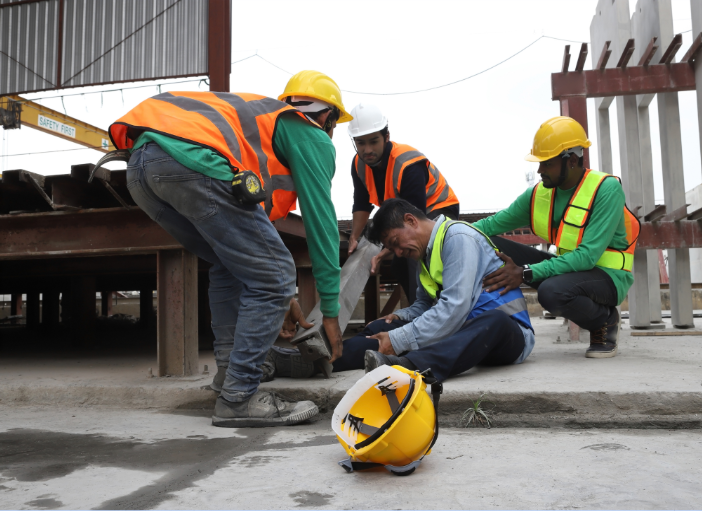
In the world of construction, ensuring the safety of workers is not just a regulatory requirement; it's a moral imperative. This article delves into the ethical considerations and legal requirements that govern construction site safety, highlighting why they are crucial for maintaining not just compliance, but also a culture of safety and respect.
The Foundation of Construction Site Safety: Legal Requirements
Occupational Safety and Health Administration (OSHA) Regulations:
OSHA sets and enforces protective workplace safety and health standards. Construction sites must adhere to OSHA's regulations to prevent accidents and injuries. This includes everything from wearing personal protective equipment (PPE) to following safe procedures for handling hazardous materials.
Building Codes and Standards:
Compliance with building codes and standards is legally required. These codes ensure that the structural safety of buildings meets minimum thresholds and that construction practices protect both workers and the future users of the buildings.
Training and Certification:
Legal requirements often mandate specific training and certification for workers to handle certain machinery or perform high-risk tasks. This ensures that all workers have the knowledge and skills necessary to perform their jobs safely.
Ethical Considerations: Beyond Compliance
Creating a Culture of Safety:
Ethically, construction firms are expected to go beyond mere compliance with safety regulations. This involves cultivating a safety-first mindset among all employees, from top management to on-site workers. A culture of safety includes regular training updates, open communication about safety concerns, and the active encouragement of safe work practices.
Responsibility to Workers:
Construction companies have an ethical duty to protect their employees from harm. This includes providing adequate medical insurance, fair compensation for injuries, and ensuring that the workplace is as safe as possible. Ethical companies view their employees as their most valuable asset and invest in their health and safety accordingly.
Transparency and Honesty:
Ethically managing a construction site means being transparent about risks and honest about incidents. If an accident occurs, an ethical response includes conducting a thorough investigation, reporting it to the necessary authorities, and communicating openly with all stakeholders about what happened and how similar incidents will be prevented in the future.
Community and Environmental Responsibility:
Construction sites often affect their surrounding communities and environments. Ethically, companies must minimize negative impacts such as noise, dust, and disruption, and engage with the community to address concerns and contribute positively to the area.
Accountability:
Holding all levels of staff accountable for their role in site safety is both a legal and ethical requirement. This means that if safety protocols are not followed, appropriate actions are taken, not just to penalize but to ensure a learning outcome for all involved.
The intersection of ethics and legal obligations in construction site safety creates a framework for protecting workers and ensuring that the construction industry operates under high standards of integrity and responsibility. By adhering to these principles, construction companies not only comply with laws but also contribute to a more ethical, respectful, and safe working environment. Each stakeholder in the construction process, from the laborers to the executives, has a role to play in upholding these standards, ensuring that safety and ethics are never compromised.
© 2026 | Lance Luke | Expert Witness