
ENSURING LEGAL COMPLIANCE IN HAZARDOUS WASTE DISPOSAL FROM CONSTRUCTION SITES
Lance Luke
5/18/20262 min read
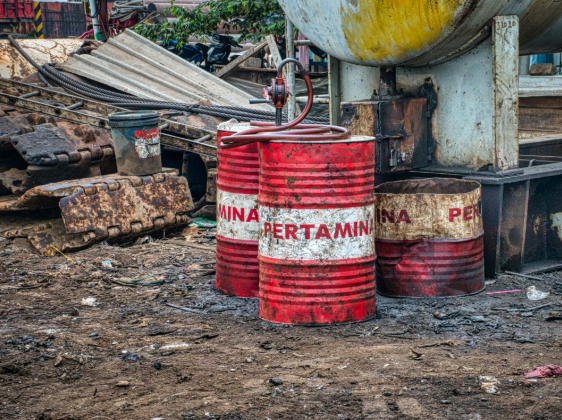
The construction industry faces numerous challenges when it comes to managing and disposing of hazardous waste. Ensuring legal compliance is not only crucial for maintaining environmental standards but also for avoiding significant legal penalties and safeguarding public health. This article explores the essential legal frameworks and best practices for hazardous waste disposal from construction sites.
Understanding Hazardous Waste
Hazardous waste in construction can include a variety of materials such as asbestos, lead-based paints, solvents, and other chemicals. Identifying these materials early in the project planning phase is crucial for compliance and effective waste management.
Legal Frameworks Governing Disposal
Resource Conservation and Recovery Act (RCRA): This is the primary federal law in the United States that governs the disposal of solid and hazardous waste. Under the RCRA, construction companies are required to handle hazardous waste in a manner that prevents releases of hazardous substances into the environment.
Comprehensive Environmental Response, Compensation, and Liability Act (CERCLA): Commonly known as Superfund, CERCLA addresses the cleanup of hazardous waste sites and holds parties responsible for their actions.
State and Local Regulations: Apart from federal laws, each state may have additional regulations and requirements that need to be adhered to. These can often be more stringent than federal standards.
Steps for Compliance
Waste Identification: Properly identifying whether a waste is hazardous according to EPA guidelines is the first step in the compliance process.
Accurate Labeling and Storage: Hazardous waste must be accurately labeled and stored in a way that minimizes the risk of contamination or leakage.
Use of Certified Transporters: Only haulers who are certified to handle hazardous waste should be employed to transport these materials to designated disposal facilities.
Proper Disposal: Ensuring that waste is disposed of at approved facilities is crucial for compliance with environmental laws.
Documentation and Record Keeping
Maintaining thorough records of hazardous waste management activities is essential. Documentation should include waste generation, storage, transportation, and disposal details. These records protect a company in the event of an audit or legal proceeding.
Training and Awareness
Regular training for all employees handling hazardous materials is necessary. This not only helps in compliance but also ensures the safety of workers and minimizes environmental impact.
Ensuring legal compliance in the disposal of hazardous waste from construction sites requires a comprehensive understanding of both federal and local laws. By implementing robust waste management protocols, construction firms can mitigate risks, avoid penalties, and contribute to environmental sustainability. Proper management of hazardous waste is not just a legal obligation but a moral one, reflecting the construction industry’s commitment to protecting the environment and public health.