
Documentation Every Homeowner Needs During Construction Disputes
Lance Luke
6/20/20263 min read
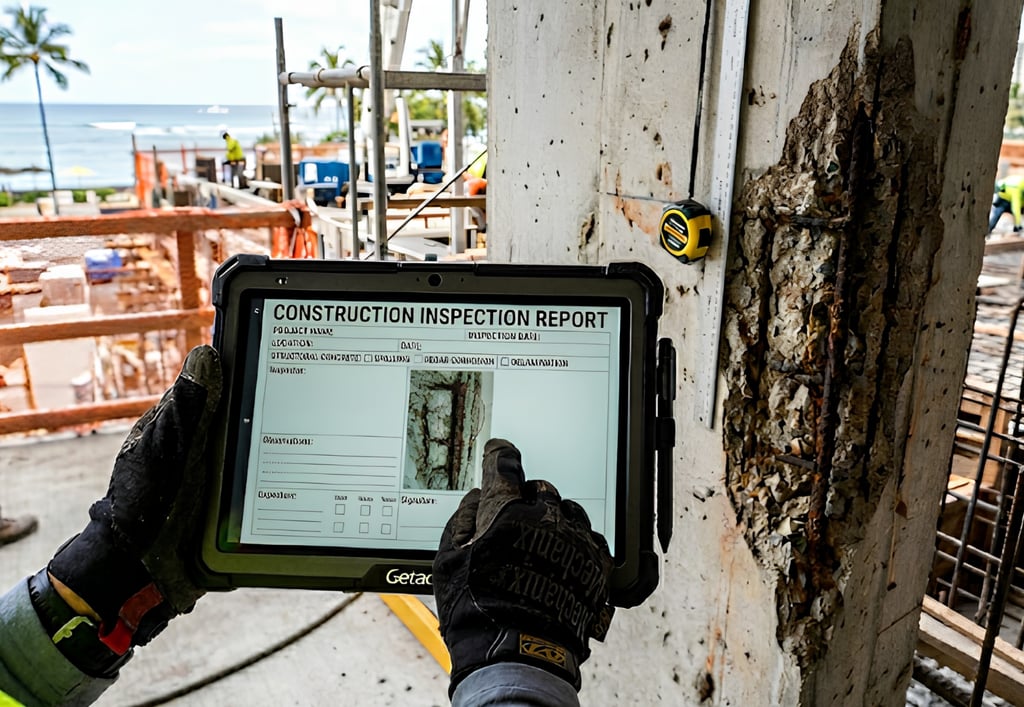
Construction projects in Hawaii are a major investment, but they can quickly turn into a nightmare if the work doesn't match the promises. In my more than 45 years in the construction and real estate industry—including construction management, inspections, consulting, and expert witness work—I’ve seen countless homeowners lose their shirts because they lacked a “paper trail.”
When you’re dealing with issues like concrete spalling, roofing leaks, or contractor delays, your documentation is one of your strongest forms of protection. It’s not just about being organized; it’s about having clear, well-documented evidence that can support your position in a construction dispute or legal claim.
The Expert’s Armor: Key Documents to Maintain
Think of your documentation as the structural integrity of your legal case. Without it, the whole thing collapses. Here is what I advise every client to keep:
The Original Executed Contract: Never start work on a handshake. Your contract must detail the exact scope of work, specific material brands, and a clear "Time is of the Essence" clause. If it’s not in writing, it doesn’t exist.
Approved Change Orders: This is where most disputes start. Any deviation from the original plan—whether it’s a different tile or a structural modification—must be documented in a signed Change Order. This should include the change in cost and the impact on the completion date.
The "Paper Trail" of Payments: Keep a log of every dollar that leaves your hands. Match these against the G702/G703 Payment Applications if you are on a professional schedule. Always ensure you have Lien Waivers from subcontractors before releasing the final payment.
Daily Communication Logs: I recommend keeping a "Project Diary." Note down when the crew arrived, when they left, and what the weather was like (especially for roofing or painting projects). Save every text and email.
Independent Inspection Reports: Don’t rely solely on the contractor’s word that the work is “good.” Third-party construction inspections can provide objective documentation of defects, such as improper rebar placement or substandard waterproofing, which may become important if the dispute proceeds to RICO, mediation, arbitration, or court.
Organizing for Forensic Success
In my work with construction litigation, the person with the best-organized files usually wins. You need to be able to find a specific email or photo in seconds:
Go Digital & Cloud-Based: Construction sites are messy. Physical papers get lost or ruined by coffee spills and dust. Scan everything. Use cloud storage so you can pull up a blueprint or a permit right from your phone while standing on-site.
The Power of Photos and Video: A picture is worth a thousand words, and a properly documented construction photo can be invaluable in establishing what happened and when. Take “before, during, and after” photos. Focus on the “bones” of the project—the plumbing, electrical, and structural elements—before they are covered by drywall.
Consistency is Key: Update your files daily. If you wait until a dispute happens to start organizing, you’ve already lost the advantage.
When the Concrete Cracks: Steps to Take
If you notice the quality of work is slipping or the contractor is missing deadlines, don’t wait:
Issue a Notice of Non-Compliance: Refer to the specific section of your contract or the building code that is being violated.
Request a Meeting On-Site: Walk the project with the contractor and your documentation in hand.
Involve an Expert: If the contractor denies there is an issue—for example, claiming a structural crack is “just shrinkage”—bring in the appropriate qualified professional, such as a construction consultant, certified construction inspector, or licensed engineer, depending on the nature of the problem, to provide an independent assessment.
Mediation and Beyond: In Hawaii, many disputes can be handled through mediation or via the Regulated Industries Complaints Office (RICO). Your documentation will be the foundation of your testimony.
Protecting Your Investment
Your home is likely your largest asset. Don’t let a substandard contractor devalue it. Whether we are talking about a residential renovation or a major high-rise repair, the principle remains the same: Verify, Document, and Inspect. Being proactive isn't being "difficult"—it's being a smart property owner. If you find yourself over your head, reach out for a professional consultation. We specialize in identifying construction defects and providing the expert oversight needed to get your project back on track.
Need a forensic eye on your project?
Visit HawaiiBuildingExpert.com or NationalBuildingExpert.com to ensure your home or building is built to last.