
DIGITAL CONSTRUCTION DOCUMENTATION: LEGAL CHALLENGES AND SOLUTIONS
Lance Luke
12/26/20252 min read
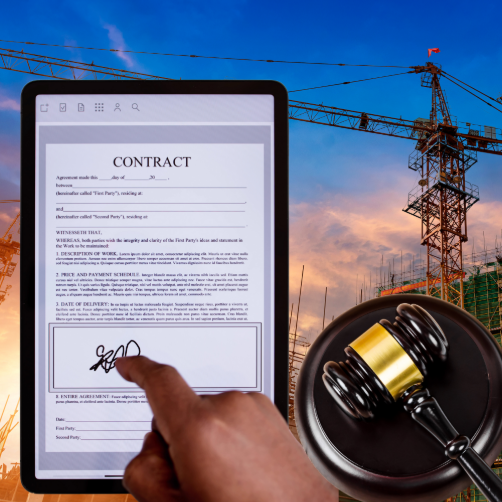
The adoption of digital construction documentation has emerged as a critical factor in driving efficiency and innovation as the construction industry experiences a digital revolution. But while digitalization has many advantages, there are also particular legal issues that parties need to deal with. We examine the legal environment around digital construction documents in this blog post, outlining the difficulties and providing fixes to guarantee a smooth transition to the digital age.
Data ownership and privacy:
Privacy and data ownership are major concerns in the digital sphere. To safeguard sensitive data, lawyers must address data privacy issues and provide explicit recommendations in contracts addressing ownership of digital project documents.
Electronic Signatures and Authentication:
The usage of electronic signatures is becoming more and more common as paperwork becomes digital. In order to avoid disagreements regarding the legality of digital contracts, attorneys must guarantee that electronic signatures are accepted by the law and set up authentication procedures.
Legal Admissibility of Digital Records:
Digital records may need to be authenticated and their integrity verified by courts and regulatory agencies. Legal issues include determining whether digital documentation is admissible in court, necessitating the implementation of strong mechanisms to guarantee the validity and integrity of digital documents.
Contractual Frameworks for Digital Collaboration:
The collaborative nature of digital documentation may not be sufficiently addressed by traditional building contracts. In order to define obligations, rights, and liabilities in the context of shared digital platforms, legal professionals must write contracts that take into account the reality of digital collaboration.
Cybersecurity and Data Breach Liability:
Digitizing construction paperwork raises the possibility of data breaches and cybersecurity attacks. Attorneys need to put in place thorough cybersecurity safeguards, assign blame in the event of a breach, and incorporate breach response procedures into contracts.
Interoperability and Standards Compliance:
For digital documentation, the construction sector uses a variety of systems and tools. Ensuring interoperability and adherence to industry standards presents legal issues. By include standards compliance clauses and outlining interoperability criteria in contracts, attorneys can lessen these difficulties.
Digital Dispute Resolution Mechanisms:
As digital documentation becomes more common, legal practitioners need to modify dispute resolution procedures to fit the digital environment. This could entail using alternative dispute resolution techniques designed especially to deal with problems pertaining to digital construction documents.
Many prospects for improved productivity and cooperation arise from the digitization of construction documents. But in order to guarantee a seamless transition, legal obstacles need to be proactively addressed. The construction sector may fully utilize digital construction documentation while protecting legal interests by creating transparent contractual frameworks, putting strong cybersecurity safeguards in place, and modifying dispute resolution procedures for the digital sphere. Together, let's forge ahead with this digital frontier and create construction documentation that is both effective and compliant with the law.
© 2026 | Lance Luke | Expert Witness