
ADDRESSING LEGAL ISSUES IN CROSS-LAMINATED TIMBER CONSTRUCTION
Lance Luke
5/26/20262 min read
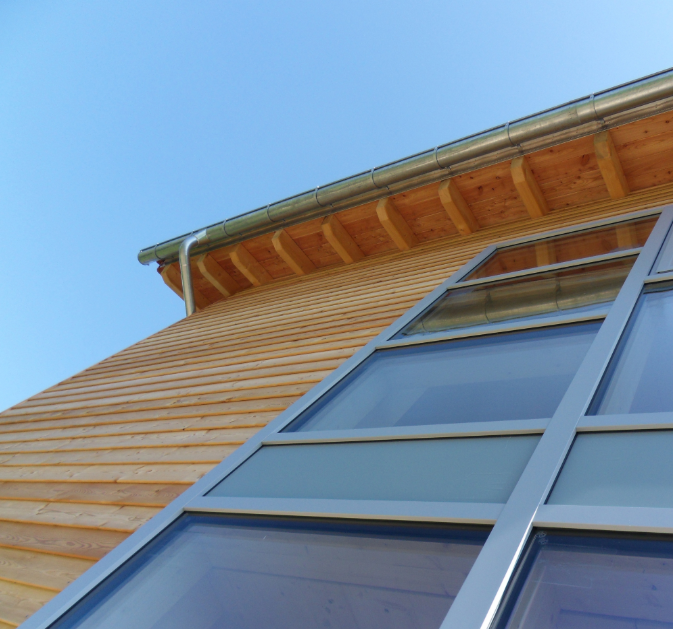
Cross-Laminated Timber (CLT) is heralded as a revolutionary material in the construction industry, known for its strength, versatility, and environmental benefits. However, as with any innovative construction method, it presents unique legal challenges that industry stakeholders must navigate. This article explores the key legal issues associated with CLT construction, from compliance and regulatory challenges to liability and contractual considerations.
Regulatory Compliance and Building Codes
One of the primary legal concerns in CLT construction is adhering to local building codes and standards, which may not yet fully accommodate the use of timber in large-scale or high-rise construction. Building codes vary significantly by jurisdiction and often lag behind new technologies or construction methods, including those involving CLT.
Updating Codes: Advocacy for code amendments is crucial to facilitate the adoption of CLT. This involves demonstrating CLT’s compliance with fire safety, structural integrity, and sustainability criteria.
Permitting Process: Builders must navigate a complex permitting process that may not be standardized for CLT projects, potentially leading to delays and increased costs.
Contractual Considerations
Contracts involving CLT construction require careful drafting to ensure that all parties are clear about their roles, responsibilities, and the unique aspects of working with CLT.
Scope of Work: Clearly defining the scope of work in contracts to include specifics about the sourcing, handling, and assembly of CLT is vital to avoid disputes.
Risk Allocation: Contractual agreements must address the allocation of risks associated with CLT, such as potential delays due to the novelty of the material and possible regulatory changes.
Liability and Risk Management
The use of CLT can raise questions about liability, particularly in the event of structural failures or defects. Understanding the implications of these liabilities and establishing clear risk management strategies is essential.
Product Liability: Determining liability in the event of a defect can be complex, involving manufacturers, designers, and contractors.
Insurance: Securing appropriate insurance coverage that recognizes the specific risks associated with CLT is another critical factor. Traditional construction insurance policies may not cover all aspects of CLT construction.
Intellectual Property
As CLT gains popularity, issues of intellectual property, particularly in design and manufacturing processes, become increasingly relevant.
Patents: Innovations in CLT technology and construction methods may be patentable, and securing these patents can provide a competitive edge.
Trade Secrets: Maintaining the confidentiality of proprietary methods related to CLT processing and construction techniques is vital.
Environmental and Sustainability Claims
CLT is often chosen for its environmental benefits, but these claims must be substantiated and comply with applicable laws and standards.
Sustainability Certifications: Projects claiming sustainability benefits from using CLT need to ensure they meet all relevant environmental certification requirements.
Green Marketing Laws: Any marketing or promotional materials touting the environmental benefits of CLT must adhere to the legal standards for environmental claims to avoid charges of greenwashing.
While CLT presents an exciting frontier for eco-friendly construction, navigating the legal landscape is crucial for its successful integration into the building industry. Stakeholders must proactively address the regulatory, contractual, and liability issues to fully leverage the benefits of CLT while mitigating the risks associated with its use. As the industry evolves, continuous dialogue among builders, lawmakers, and legal professionals will be essential to refine the legal frameworks that support the growth of CLT construction.
© 2026 | Lance Luke | Expert Witness