
ADDRESSING LEGAL CONCERNS IN ADAPTIVE REUSE CONSTRUCTION PROJECTS
Lance Luke
3/6/20242 min read
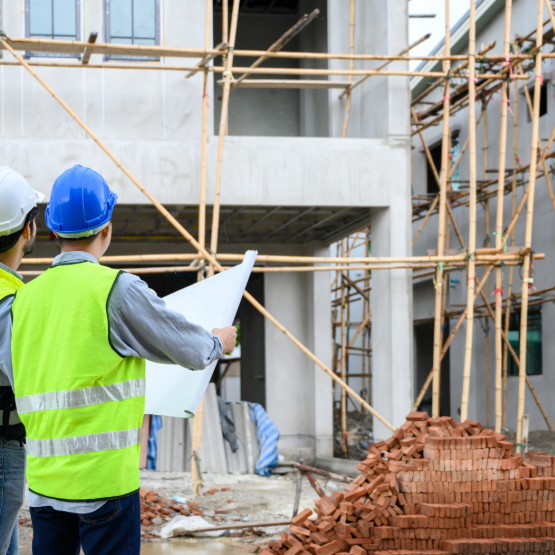
Adaptive reuse—the process of repurposing old buildings for new uses—is an innovative approach to urban development and sustainability. While it helps preserve historical architecture and reduce waste, it comes with several legal challenges that developers, architects, and contractors must navigate. From zoning laws to safety compliance, addressing these legal concerns is crucial for a successful project.
Key Legal Issues in Adaptive Reuse Construction
✅ Zoning and Land Use Regulations
Many older buildings were originally zoned for different purposes. Securing the proper permits for adaptive reuse can be complex and may require rezoning or obtaining special variances.
✅ Building Code Compliance
New construction projects must meet modern safety standards, but older buildings may not comply. Upgrading structures while preserving their character requires careful legal and architectural planning.
✅ Historic Preservation Laws
If the building is listed as a historic landmark, strict regulations may limit modifications. Developers may need approval from local preservation boards or government agencies before making changes.
✅ Environmental Considerations
Older buildings often contain hazardous materials like lead paint, asbestos, or outdated plumbing systems. Federal and state environmental regulations dictate how these materials must be handled and disposed of.
✅ Liability and Safety Issues
Contractors and developers must ensure the site is structurally sound and safe for occupants. Failing to meet safety regulations could lead to liability claims or legal disputes.
✅ Financing and Incentives
Some cities offer financial incentives, tax credits, or grants for adaptive reuse projects, particularly those involving historic buildings. Understanding the legal requirements for these programs is essential to securing funding.
Best Practices for Navigating Legal Challenges
🔹 Work with legal and architectural experts early in the planning phase.
🔹 Conduct thorough inspections to assess structural and environmental risks.
🔹 Engage with zoning officials and preservation committees to avoid compliance issues.
🔹 Ensure proper contracts are in place to mitigate risks and define responsibilities.
Adaptive reuse presents exciting opportunities but demands a strategic legal approach. By understanding the legal framework, developers can transform old buildings into thriving new spaces while minimizing legal risks.
Disclaimer: The information presented in this article is intended for general informational purposes only and does not constitute legal advice. Each situation may be different, and the complexities of construction law require personalized legal consultation. Please consult your own attorney to obtain advice with respect to any particular legal issue.
© 2026 | Lance Luke | Expert Witness